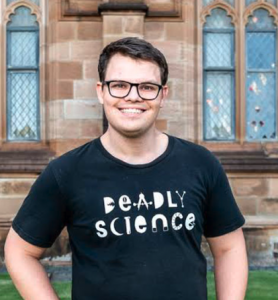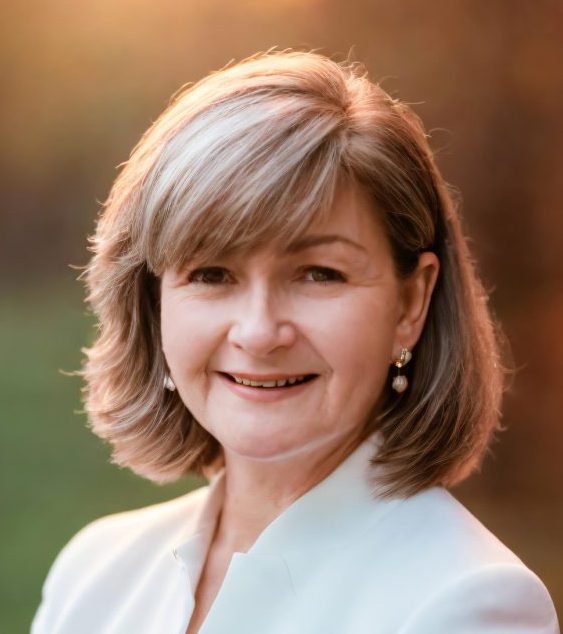
Today we have Dr Rachael Brake on the show! Rachael is currently Chief Scientific Officer of Abdera Therapeutics, but has more than 20 years in biopharma in a career that has gone from academia-to big pharma and more recently the biotech space.
She’s sharing how her experiences have helped form her leadership style which is centred on being open to vulnerability and always learning. For the early leaders trying to find your strengths and style, this episode is for you.
Here’s what we talk about.
- The lessons learnt from moving between different roles, industries and countries
- How determination and grit help drive you
- The value of feedback: how to deliver it and how to follow up on it
- How providing context around an idea allows you to be transparent
- The growth opportunities that extending yourself provides and how to navigate the challenge of it
We also get into why the CSO role is a great one for a scientific leader.
The Lead Candidate tool kit
The Lead Candidate
Web: TheLeadCandidate.com Instagram: @theleadcandidate
TikTok: https://www.tiktok.com/@theleadcandidate
Episode transcript
Simona: [00:00:00] I acknowledge that I made this recording on the lands of the Wurundjeri people of the Kulin nation. I pay my respects to their elders past and present. These elders lead by nurturing the physical, spiritual, mental, and emotional wellbeing of the communities they serve.
Welcome to The Lead Candidate, the show where we aim to understand what makes for a great leader in science. I’m your host, Dr. Simona Carbone.
Before we get into things, I’d like to thank the Monash Institute of Pharmaceutical Sciences for their ongoing support of the lead candidate and for backing thoughtful conversations about leadership in science
In this episode of The Lead Candidate, I’m speaking with Dr. Rachel Brake. Rachel is currently chief scientific officer of Abdera Therapeutics, but she’s had a career for more than twenty years in biopharma that has gone from academia to big pharma, and more recently in the biotech space. While a lot of this [00:01:00] episode could have focused on what it was like to change industry and change roles, instead, what we ended up discussing quite a bit was the value of vulnerability and always learning.
I really appreciated how generous Rachel was with the answers that she gave. She gave wonderful examples of experiences that she’s had in her career, and she’s very thoughtful, and you’ll hear how important giving context in her explanations, how important that is to her. So this is a great opportunity to learn from someone who is very considered about their leadership but has had a lot of experience as well.
So enjoy our chat.
Dr. Rachael Break. Welcome to the lead candidate.
Rachael: Hi, thanks so much for having me.
Simona: Pleasure. Okay, so Rachel, you, currently are Chief Scientific Officer for Abdera Therapeutics, which is based in San Francisco. So Abdera is a clinical stage biotech [00:02:00] company developing precision radiopharmaceuticals for cancer. One of the reasons I’ve got you on the show is because you’ve had a breadth of experience so.
Uh, more than 20 years in biopharma in a career that’s gone from academia to big pharma, the likes of Amgen and Takeda. And then you’ve gone into the biotech space in, uh, this latter phase of your career, um, taking on a series of Chief Scientific roles. Uh, so I think you’re gonna bring a great insight into some differences in career development, uh, for people listening today.
So we’re very excited to have you on. What I like to do, before we get started into things that make your leadership style, uh, unique, is talk about you and your development. So the very first question I ask everyone is,
do you think you were born a leader or have you developed into one over the course of your career?
Rachael: I definitely, I’ve developed into one. I never considered myself a leader ever. Um, and so it’s definitely been exposure, [00:03:00] and experience. I think that has ultimately led me to position myself as a leader in an organization for sure.
Simona: I love that. Right at the start,
science is something that you’ve always really been passionate about or I’ve read, in an article that you were a part of that you wanted to be an entomologist when you were quite young. So a very different branch of, of science studying insects. is it always science that’s been the thing that has kept you going and has want made, you want to step into more leadership roles?
Rachael: For sure. I think I, you know, no matter what role I’ve held throughout the course of my career. I’ve always said, I consider myself a scientist before I consider myself anything else. Um, and I think that that’s driven by a sort of a natural curiosity that I have. I love to learn new things and I love to put things into the context of what I know.
And I think that by definition, that sort of makes you scientifically focused.
Simona: I love that we’re gonna talk about later on the fact that learning is such a strong part of your leadership. [00:04:00] Style and something you hold dear. It’s, um, I mean, you’ve mentioned it straight away and it’s something that I’ve read in other interviews that you’ve done as well. So it’s quite a common theme, um, and one that I, I personally love as well.
I love, uh, learning and continuing to learn, so we’ll definitely dig into that a bit more. Another thing I think that, um, is quite. Prominent about your profile is the
pivots that you’ve done. Um, so you were trained, your PhD was done at a University of Western Australia. In Australia. Did you have much time as a postdoc?
From what I could tell, you might have had a bit of time
as a postdoc
or you left straight
Rachael: Yeah. A a a singular postdoc that I did. That’s exactly right. And that was it was based at the, telephone Institute for Child Health.
Simona: Beautiful. Which is in Perth, correct.
Rachael: Yep. Absolutely. Yep.
Simona: Yeah. and then from that you’ve moved, into an industry role encouraged by one of your mentors. You’ve moved into an industry role. so there’s, there’s, there’s a few parts to this. So you’ve gone from. Academia into big pharma. [00:05:00] so you’ve taken that first step there.
Moving to that industry, they’ve moved again into biotech. So you’ve got a couple of big shifts in industry roles. You’ve got a shift where you’ve gone from Australia to the US. And then even within, particularly within your development in pharma, you’ve taken on different roles from starting off as a bench scientist, you’ve become program leader, you’ve taken on leadership roles, you’ve moved into med affairs and business development as well.
So different roles within one industry too. so that’s a lot of change that you’ve had over your career and as someone who, well, me personally, I’m experiencing a bit of change in my career as well at the moment. One thing I’ve noticed is that it takes a lot of energy and belief to be able to make those big changes.
And something that’s quite key, I feel like for you is this idea of greet and determination to be able to, to, to back yourself to make those changes and to help develop yourself along. So I wanted to pick your brain about what really drove you to have the [00:06:00] belief to make those moves. Was there a singular thing for each time or was it something different with each experience?
Rachael: Definitely each experience was different, but, but there, there are themes I think across them. And I think, you know, two things that I would, I would share with you, I think the first theme that I would share with you is, you know, the experience that I was having at whatever particular point in time in my career, I, I wanted to grow that experience.
So there was definitely an interest in understanding more. I think that that’s, that’s sort of definitely a theme. And I think the second part that is also. Contiguous across all of those pivots actually is leveraging a mentor network to be able to, bounce ideas off of others and to learn, opportunities that might be available to me that I might not have even thought of in my own career.
And so being able to leverage other people’s broader experiences and bring [00:07:00] them to bear in, in sort of my own pathway. Um. I think the third piece that I would give you is having patience with yourself as you’re evolving that thought process with respect to where you want that change to go. I’ve always been one of those people that I very rarely, react quickly in the moment.
I’m very, very thoughtful about the, exposures and the opportunities in front of me, and I’m always thinking about how do I leverage that exposure to gain a new experience? And so. They’re the themes I think, that run across many of the pivots in my career.
Simona: I love that. And it, it comes back, I hear the echoes of the learning leader. Always wanting to learn and develop the experience. It’s really important. And just saying that thing about patient with yourself as well. For me personally, I really. Really feel that because it’s, you do get frustrated when you’re learning a new role.
And why isn’t this easy being a bench scientist? So a scientist is so natural, because you’ve just had the time to develop those skills. But it wasn’t always a natural [00:08:00] thing. So something very hard to do, but to definitely good to put in practice. Do you have any tips about how you can put that patience in practice?
Rachael: Yeah.
I, I mean, I don’t know that I, I have, great tips for that. I, I just, I know I have a tendency. Like it’s intrinsic in me a little bit where I have a tendency to delay my action until I’m confident of my plan. Um, and what that typically means is how I gain that confidence is by collecting more and more data, by communicating with other people and, you know, reading about a topic or exposing myself in a situation that enables me to, to, to put context around kind of what it is that I think I wanna do.
And so. I have a tendency to sit on things until I’ve collected enough data to actually drive momentum. And I think, I guess that’s sort of also the intrinsic scientist in me of how much data can I use to be able to leverage that, that [00:09:00] next consideration of moving. yeah,
Simona: I
love that. Always the scientist. Always the.
Rachael: yeah. Always a scientist.
Unfortunately, I think my husband may not agree with you, but.
Simona: Love
it. Um, hearing you talk about mentors as well, that’s, um, it’s a theme that comes up a lot, the importance of mentors. And for some people it’s one person. For others, it’s a collection of people. One thought I had just hearing you discuss how you’ve used your mentors and collecting data to understand how, whether to transition to one role or what role it might be you want to transition to.
There’s quite a lot of vulnerability in that as well. Like exposing yourself to someone like, I don’t know, can you help inform for me? Can you help make a judgment? That’s a really hard thing to do. I wonder if you can just comment at all about how you can get over it or the risk reward of being able to open yourself up and have those [00:10:00] conversations.
I guess trying to protect yourself from looking like you’ve got it all together all the time. Can you make any comment about that?
Rachael: Yeah, I can. And I think my, my view about that is really, it’s seasoned. I guess what I would say, it’s through the course of my experiences, I think that. We all have times when we feel vulnerable and a little bit like a fraud and sort of we’re faking it, you know, before we are making it kind of thing.
I think we all have times like that in our career. and I think it’s okay to, to admit that vulnerability and I, I recognize it’s hard, but I think with the right intention in mind and the right communication strategy in mind, actually people are really receptive to that vulnerability. Most people have enormously good intentions and want to do the right thing and want to support people.
And I think, recognizing that if you drop your guard and drop your barriers, then [00:11:00] sometimes really amazing things can come. And, I wanna, if, if you don’t mind, can I share a story that kind of really resonates with me when
I think
Absolutely. Yes. Yes, please.
So during the course of my career, I was involved in the development of a drug at Takeda where I had done some scientific research and I really felt like the right thing to do for that medicine.
And the profile of that medicine was really supporting drug development in a pediatric indication. Some of your, your, listeners may be aware that pediatric development is a really challenging space to be, especially as a leading indication for a big pharmaceutical company. And so, not surprisingly, I, I, that that strategy was met with considerable resistance internally, not, not because they couldn’t see the, the scientific end or the medical value, but, but the prosecutorial value, I think was really challenging for the business.
So I ended up in a situation where I had an academic approach me about a [00:12:00] very similar idea around this pediatric indication. And I could have been extremely corporate about my position, and I could have held a very sort of stiff upper lip of what we could and couldn’t do. But I decided to take a chance on this individual because this individual had really spent time to understand the science and why this might work.
And as it turns out. Together we ended up collaborating to establish an IST or an investigator led study, and that study ultimately led to the development and approval of this medicine in that pediatric indication. It led to the development of a private company that then went public. And what I would say to you is that public company has now just been bought by a large pharma.
And so all of that is sort of speaks to the value of that vulnerability. It’s okay to not be perfect all the time. And, what I would tell you is if you. If you [00:13:00] have a lower guard, typically that lowers other people’s guards as well. It enables people to come into the circle without having to put that sort of polishing sheer on the surface of what it is that they do.
So I try all the time to enter into the conversation being as genuine and as vulnerable as I possibly can.
Simona: Oh, I love that wonderful example. So good. And, um, yeah, I, I, I, it’s, it’s just so true. I don’t know if this is in part the Australian way a little bit as well in that we remove that polish very quickly. We drop titles very quickly. Yeah. Culturally, I wonder, and, and you’ve been working in the US for so long that it’s probably a bit refreshing too.
So, yeah, that’s, there’s a few things that I think of with that, but that’s a wonderful example because at the end of the day, most of us are in this industry because we wanna get stuff done. We want to see science either develop from an idea or develop into a [00:14:00] product or become something to help patients, depending on what area you’re in.
yeah, it’s, yeah. That’s a really wonderful example. Thank you for sharing that. one of the things I think of with that story as well is again, it comes back to this idea of grit and determination and you believed, obviously, in what it was that you were doing. sometimes though
grit and determination can become a bit glamorized, particularly in biotech where you’ve gotta be really gritty and get involved and, and do do the things and do the work and keep going.
but. That’s not necessarily always the case. So when you are being gritty and trying to back yourself, what does it actually feel like doing it? Do you feel vulnerable all the time or do you always have like a little bit of confidence to keep going?
Rachael: I definitely think that it’s things ebb and flow, right? So, and sometimes, you start out with, with, you know, very clear direction and good [00:15:00] intention and great clarity on, on where it is that you want to go and, and how you want to get there. And then. There are definitely times when things get quite murky and maybe roadblocks get put in front of you.
And, I think what I would say is what my career has taught me and many, many, really skilled, operators, you know, that have have functioned as, as peers and mentors for me is, is to always think about, you know, that that signal that you see, that roadblock that you see, it might be the no that you hear.
And to sort of be able to analyze that, take it out of your heart, look at it and analyze it and understand if there’s a means or a ways, either around that roadblock or to think about how do you incorporate that roadblock into the thinking of what it is that you’re trying to do. and I know that that sounds a little bit abstract.
It’s almost like the the sentiment of like, just don’t take no for an answer. And I don’t mean that in terms of [00:16:00] butting your head against a brick wall, and I don’t mean that in terms of being belligerent and rude because that won’t get you anywhere. But I do think that you can take a giant step back, receive that feedback.
Analyze it and then incorporate it into your plan, and then you sort of have another run at it, adapted to the feedback that you’ve received. That I think is the tenacity and the grit that I’m talking about,
Simona: I love that it’s understanding the no to make your pitch or your proposal better, right? Because often people have
or to figure out that there’s a, there’s a road that goes left or a road that goes right, and it might take you a little longer, but you could still get there.
Yeah, sure. Yeah, that’s very true. Yeah. Sometimes I think, we can be too quick to, to listen to the no, and not actually, or to hear the, no, I should say, but not really listen to it and process it. But there can be a lot of value in it. I know for myself, just like writing grant applications and when you’ll get a question or a comment, either it’s [00:17:00] because it hasn’t been written clearly, like we’ve missed something in our communication style or, we’ve just, the idea was, was wrong or wasn’t well explained, or there was a gap, whatever it might be.
And then when you can come back and re-explain it again, it makes it better. But if you can’t be receptive to it, then. You won’t necessarily get anywhere. You just become
Rachael: You
you’ll never be able to figure out what the problem was. That’s right.
Simona: Yeah. I love that. I love that. Again, I feel like that comes back to your learning leader, style as well.
Which we’ll get into in a minute. But there was one thing that I wanted to, talk through. I saw in a, in, in an interview. That someone had described you quite early on in your career as being
technically brilliant but not easy to work with. And in the interview you had reflected that perhaps that was true and, that you had made some adjustments.
So before understanding. That side of things. I found that comment [00:18:00] really interesting because when I’ve spoken to you on separate occasions, I naturally can see someone who’s very driven in anything that she contributes to, whether that be the science that she’s working on or developing a mentoring a person, as well.
And the first thing I thought of when I read that sentence is it’s a typical thing of, well, sometimes when you’re really driven, that can be taken the wrong way. That you’re trying to get forward, but that can be a bit prickly to work with, but it’s because you can have, I don’t know, maybe blinkers on or something, not being able to see past the problem that you’re trying to fix.
Yeah. So I wondered now reflecting on that comment, perhaps from the interview, but then also from early on in your career, what do you think about that idea of you being technically brilliant, but perhaps not easy to work with initially?
Rachael: It’s definitely an anecdote and I, what I would tell you about that, that whole experience, I think it is a, a couple of things. So the first one is, is that, [00:19:00] as I. As I received that feedback, one, I, I was at a moment in time in my career where I was really interested to understand what this feedback was and what did it mean.
And I think you, that gets back to that receptivity, right? And I think I often use this sentiment even with people that I work with today, which is this feedback is a gift. How could you ever possibly adapt and change if you’ve never received any, any input from the outside world? And so. and I think generally feedback is typically intended with good intentions.
And so I think if you start with that as the starting point with that feedback, you can take that feedback in, understand it, interpret it, and then use it to your best advantage. What I would say about that experience though, in that anecdote, and it’s, it stuck with me obviously because I’ve talked about it more than once, and it was really instrumental in my career in growing my competency as a leader.
Is what, what led me to operate that [00:20:00] way was, was that sort of. The social chitchat and the things that actually bond us together as people and as a community of people that are working together in a team. I found those things to be inefficient, and so it was efficiency that was driving me to be this sort of very driven focus.
Person. And so I would literally sit down with team members and partners and I would jump straight into the science of like, you know, what’s going on for you? What’s going on for me? And, and what I learned through that experience and that feedback. And and you know, honestly, some insights from Complete Strangers was really that, you know, that this building social bridges.
Actually is not an inefficiency. Two things that come out of that. The first one is, is that you learn more about the people you, you work with, and you end up actually quite enjoying that dialogue. And I think that that’s fundamentally true. I, I, I, I’m a convert. But I think, I think the second [00:21:00] part of that is that they feel like.
They’re, they’re seen and they’re heard and they’re recognized and as a consequence are, are prepared to sort of lean in to whatever the project is that you’re working on together. and so it’s a win-win all round. But, it was definitely, i, I didn’t understand the feedback because of course, I had never intended, ever to be mean to somebody and to be dismissive and to make them feel small, that was never my intention.
But because of this efficiency thing, that was the unintended consequence of my actions, and so it was really important for me to learn that goal.
Simona: Wow, that’s really interesting. I, I really like that anecdote. Yeah, it speaks a lot. I think there are a lot of people who can probably relate to that. I just wanna get down to. The business side of things. And I think that’s one of the reflections of us moving to more online meetings is that we just get down to whatever it is the meeting was about.
Because it’s hard to have chitchat unless the call is specifically designed for that [00:22:00] process. But, yeah, there’s something very important about the team being able to, to just relax, get to know each other, understand,
Rachael: Take a couple of minutes. Yeah.
It
doesn’t cost much. That’s right.
Simona: Yeah, but it, but it, if it gels the team together, well, it’ll be really rewarding in how everyone works together, I think for sure.
Rachael: for sure.
Simona: So the
last few roles you’ve had have been Chief Scientific Officer roles, CSO roles. And to me, when I think of what is, a real leadership in science role, A-A-C-S-O role, really like science leadership coming together, that that’s definitely, hits the brief. I think there’s a most cross crossover.
If you were to do Venn diagram of lead leadership roles in science, that there’s a lot of crossover, I feel like, in this position. So I want to understand what is it that you love about the role? Because a CSO role can, can have, can be. Exposed you to like such a breadth of science when you’re working in a biotech company.
From the preclinical side, working up the initial [00:23:00] ideas, testing them in models to then developing the clinical program as well. Obviously, it depends on the stage of company that you’re at. And then you get the access to the corporate side of things too. Speaking to, either the, the boardroom or potential investors in your company as well.
So there’s more that pitch element that you’re involved in as well. I’d like to know, what do you love about the CSO role? And why do you think it’s something that people should aim towards?
Rachael: Oh, that’s a good question. So there, I guess I would say two, two aspects that I really love. So first of all, there’s probably nothing more fun than sitting down with a bunch of other scientists and nerding out on, on data. Like I really enjoy that. And I feel like, you know, it’s a bit of a luxurious position to be in as a CSO because often you find.
You know, that data is being generated, that you’re not aware of. And so when you get to have these sort of lab meetings, right, where you talk deeply about [00:24:00] science, you know, it’s like this show and tell of like all this cool stuff coming off the, off the Convey belt. And and I think that’s a really fun position to be in.
So I really enjoy those scientific dialogues and I, i, I prioritize them in my week for sure. My, you know, my, in most places I would also share with you is that, not in most, in fact, in every place that I’ve been, the scientific competency and the teams that I work with is very high. And so that’s also very satisfying, right?
To be able to have a peer-to-peer dialogue where there’s, deep intellectual complexity of how we think about the problems at hand. And so that satisfies my soul, is what I would say. And then the other, the other parts to the role of a CSO. You know, another sort of funny story is obviously as a PhD scientist with a molecular biology and biochemistry background, my title by definition, you know, lends itself to that CSO title, which I really railed against for a little while [00:25:00] before I moved into small biotech because I.
Felt that my roles and responsibilities, you know, that had led up to me stepping into small biopharma, were broader than just sort of a wet lab scientist. And so, I was sort of like, well, you know, maybe, maybe I’m a chief development officer, or maybe I am, you know, an r and d leader. Like I couldn’t quite figure out what my title really should be.
Then what I realized is that as you move into these smaller organizations, there’s so much more fluid with respect to roles and responsibilities. And so what that really means is finding a fit with your competencies more so than with your title. And so, you know, I’ve been asked by, by, by different friends over the years, you know, what do you do as a CSO?
You know, like, do you only think about nonclinical sciences? You know, and I, what I’ve sort of said is, is no, as a CSO, [00:26:00] actually, it’s my job to think about every aspect of what the work that happens in a biotechnology company. There are things that you lean into more strongly and things that you lean into less strongly.
And that’s gonna depend on your competency, your background, your experience, and quite frankly, the needs of the business. And so I like the diversity that comes with that, right? The ability to. You know, sit with an investor and, you know, have, be peppered with questions and sort of have them come along a little bit on the science and the thesis that you are trying to push forward with respect to the, the therapeutic that you’re developing.
You know, obviously also balancing the spend that you are looking to make. With the board, with respect to defending the, the budget that you’re putting together, that’s also a really interesting part of the work. And then also bringing other members of the team along in the science so that they can understand enough with respect to the progress that you’re making in that research organization.
So I like the diversity of the roles [00:27:00] and then I love kind of that nerding out science piece
Simona: Totally, totally. You get the best of both worlds. When you said it’s like show and tell it just like light bulb. It is like show and tell.
Rachael: Yeah, totally.
Simona: I used to love show until as a kid. Yeah, definitely, definitely, I, I get that sense for sure. And I think even, it doesn’t matter from, from my experience and what I’ve seen in biotech, it doesn’t really matter, , what company or what level a person is within a company.
Often you do have to at least be across everything, in terms of what’s going on. And my understanding is this must have been quite different from big pharma where people seem to stay in, in their position a lot more and might talk to adjacent teams next to them. But, I hear the word siloed can be sometimes a bit of a problem as well.
Is that a fair assessment of what your experience was like?
Rachael: I mean, I think it all depends on the company culture, so, so that sort of is an overarching question, you know, of like, what is the [00:28:00] culture of the company. I think what I would share with you is, you know, the two. Big pharma experiences that I’ve had. You know, Amgen and and Takeda were remarkably different, right?
So I think at Amgen we were very siloed with respect to like, this is your project, this is the team you work with. This is the slither of the pie that you work within. And, and also recognizing, you know, where you are in your career advancement, right? So I was quite junior in the organization at Amgen, and I was really earning my drug development stripes.
I think by the time that I was at Takeda, I think I had sort of picked my head up and I was looking more around the ecosystem, more about. All of the facets of drug development or many more of them that I maybe didn’t touch firsthand. So I had more context I think, as I, as I stepped into that role. But what I would also say about it was Millennium, before it was Takeda, and the oncology, business that actually now sustains Takeda actually was born out [00:29:00] of the millennium culture.
One of the most exciting things about that company was that if you demonstrated an aptitude to learn and grow in a new direction, there was real. Effort to embrace that and to be able to resource the company to allow people to move within the organization. And I think you sort of mentioned it at the beginning of, of the discussion, you know, about my background and experience.
I think while I was there, I probably held five or six different jobs. And that’s just a wonderful place to be, right? Because it’s like being in a candy shop. It doesn’t mean that those moves are easy. None of them were easy, but they were available to me. And so it enables you to. Think bigger. And I would encourage, I would encourage everybody to think bigger because there isn’t one experience that I haven’t had in my career that I don’t take with me to the next decision point that I face.
Simona: I love that and I feel like that’s a really good point for us to get to, to talk about the.
Learning leader, the leader who [00:30:00] learns, because it’s a real, skill and asset and you can hear how important it is to you. You talk about having a student mindset in particular, so I think that makes you quite receptive to learning information and learning new skills.
And it’s very clear that it’s something that’s incredibly important to you, but sometimes there can be a bit of, tension with that as well. And perhaps this comes back to being okay with that vulnerability. When you’re in a leadership position, you do feel like there’s a, a, a bit of a pressure to always know the answer, and to, to.
To not be perceived, to have too many questions, not so much in questioning the data, but questions from not understanding the environment. So how do you , reconcile, those thoughts or those, those expectations versus how you
want to lead
Rachael: Yeah. No, that’s a really good question. And it brings to my mind, kind of another funny story. So let me, I’ll tell [00:31:00] the story and then I’ll tell you my position on those two things as it stands today. But I’ll never forget the first time that I had stepped into a, a program leadership role at Takeda, and it was my very first program and,
we were, you know, developing a novel development strategy for a medicine. And of course I was sort of the leader of the band standing at the front of the room, sort of trying to direct traffic with respect to which way we should or should not go. And we had hit a crossroads in sort of, you know, we, we could have gone left or we could have gone right?
And, and I didn’t have, I felt like I didn’t have enough depth of understanding to really hold a position of like, I think it should be right, or I think it should be left. And, um, and I, I’ll never forget sitting in my office and, and, uh, working late into the early evening, you know, probably eight or nine o’clock.
And one of my peers was, was just about to leave the building. And, uh, and, and you know, he had said to me, well, what are you doing here so late? You know? And I’m like, I’m really struggling. [00:32:00] Like, I don’t really know what the right answer is here. And he is like, well, it’s not your job to know the answer.
And I was like, no, no, no, but it is. And he is like, no, it’s not. It’s your job to ask the team. And I was like. Oh, right. Like, duh, that’s easy. Um, and, and of course, you know, I went home and the next morning we, we came back and we sort of discussed the asset strategy further and, and we built a pathway and the team guided the direction and it was just fine.
Um, and so I think oftentimes we think that we need to know all the answers. Um, and I think that, um. It can be surprising for people as a senior leader to kind of continue to ask questions. It can be surprising for, for more junior staff members to be like, wow, I can’t believe they didn’t know that. you have to be comfortable with that vulnerability.
I really genuinely believe that, and I think. If you’re asking your question [00:33:00] respectfully and there’s, you know, you can contextualize why you want to know the answer, um, then it’s typically received pretty well. I think there may be people walking around going, oh gee, Rachel, like, she’s, she’s pretty slow on the uptake, maybe.
I don’t know. Um, but it, it, it helps me knowing the answers to those questions. And I think, you know, the other thing that I would also say is I’m very much a contextual learner. Um, and so. What that means for me is like, you know, that that, spot of information is not enough. I need to know the spot of information and then the 10 spots around it.
That sort of influences that piece and that context is actually what I bring to bear as I think about, you know, creating solutions based on a variety of different topics and questions. And so I really benefit from that context. And so as a consequence in my own communication styles, I typically focus on providing that context as well.
’cause it’s so meaningful for me.
Simona: I love that. There was a great [00:34:00] quote, where was it that, I got from, as a learner, this is you. As a learner, I always do a better job remembering and applying information if I understand context around the topic. So it’s clearly something, that you’ve said before and you, and you later go on in the interview to describe that as transparency and, transparency around the scientific principle, helping people make better decisions.
And I was wondering like, that’s quite thoughtful and quite insightful. When did you first realize that that’s what it was, the transparency and how important the context was for you? Was there something that happened that, allowed you to see it, or was it just over time, more experience, you realized how important it was?
Rachael: Yeah. I.
I, I, mean, I would just tell you I’ve always been a contextual learner. I don’t, I dunno why, like, it’s just the way I’m wired. I think though, when I realized. That it was different, right? Than what most people experience or than, than maybe is the sort of the canonical norm was when I was in a leadership role and I was receiving [00:35:00] feedback from people of like, you know, the transparency with which she communicates to us is amazing.
And I was sort of like, huh. I would never have thought it of as being transparent, right? It was always just providing context. But I think what, what they were, what they were making reference to is their prior experiences with respect to what was communicated. You know, the downside of context, right, is, is I can be a bit verbose, right?
I sort say too much, and so there’s always an upside and a downside, but, but I, my personal feeling is, is that. People do a better job if they understand the why of things, and they’re more motivated to do the job if they understand the why and, and I know that that’s true for me. And so that’s just how I operate with other people as well.
Simona: Yeah, I love that. Yeah. I resonate with that wholly. And I must admit, it’s something that I, sometimes battle with, with how much you say. Versus how much you shouldn’t say, and why [00:36:00] shouldn’t you say something? ‘Cause I, I too love the context, providing the full environment, helping people to understand.
Sometimes it can make it seem like you are overexplaining something as well. And whether that makes it seem like you’re. You think your audience doesn’t know a scientific principle? Sometimes I’ve had a, where my explanations have been seen as, oh, well no, I, I get this, I know this. Like I’ve heard this before.
It’s like, oh, okay. Sorry. I didn’t mean to insult. I just wanted to make sure you understood. So that can be a bit tricky. Is that something you’ve ever wrestled with or have you
Rachael: Yeah, I mean it’s like, it’s like anything, right? Any strengths taken too far can weakness. And so I think that that’s true. I think that you can take things too far and this sort of explaining or contextualizing, I think can go too far. I would also just say though, another aspect, I think.
It gets back to that, that culture in Australia. I [00:37:00] think that we are quite open and I think we are typically more, less, less controlled in how we communicate with respect to what we communicate. And that I think, I think that’s what allows us to be as relaxed as we are as a culture, is sort of.
You mean what you say and you say what you mean. And I think that that is, that is very much sums up. I think the Australian communication style and I think. Culturally that can be remarkably different to other places and other cultures. And so being able to receive, you know, what’s happening in the ecosystem, and, and how you are being received in that ecosystem and then adapting accordingly is really important because if you can’t adapt your communication style, it will often be received.
Incorrectly and, you know, other, other than intended, I think. So yeah. So just a little bit of color there about Australian culture, especially living in the American [00:38:00] ecosystem as I do.
Simona: Yeah.
absolutely. I think that’s a fair reflection. Just thinking about you being such a learner and having a learning mindset, given that you’ve switched roles, industries, as we’ve discussed, I wondered if there’s
anything you had to unlearn when you’ve switched to a different role, or is that not something you’ve had to do?
Could you set an example if you have one?
Rachael: The, the moment in time that I think maybe gave me the greatest pause with respect to sort of the unlearning, was really actually a moment in time when I switched from actually being sort of like the scientific expert sitting in the room to actually being, the program leader who was really coordinating a group of experts, right?
And, and so the request of me was that I would take my expert hat off and put it on somebody else’s head. And then, and then not talk over them when, [00:39:00] when, you know, their expertise were, were acquired in the room. And so you can imagine it gave me enormous pause actually to do that. I was sort of like, wow.
Well, what if they say something that I don’t agree with, well, do I do then? And, and I think, I, I think. I don’t know if it was the best way to handle it, but the way I handled it was to actually, as we brought that new expert into the room and, and sort of, I, you know, gave, basically gave them the cap to kind of put on their head, you know, we also, spent time.
Talking about my background and my expertise and their background and their expertise and, and sort of asking them like if I had a view that was maybe counter to theirs or, you know, maybe broadened the color of the conversation, how would they like to receive that input? And, and doing that in a way that they could say.
Face publicly if that’s what they needed to do, or that it was sort of, um, delivered in a collaborative tone or it was in [00:40:00] writing, not verbally, you know, like there’s, people have adapted to different ways, but just being open to kind of being able to sort of say, I am gonna try and unlearn this behavior of mine, of like being the sort of the dominant scientific voice in the room.
And. And I think I gave myself an outlet then, you know, by, by being, by being open enough to that person to sort of say, I want to give you the hat, but it might be hard for me. If I find myself in those moments, how would you like me to deal with it? And, and that was, it ended up being quite collaborative and, and obviously after the first time and then, you know, you move into the second and third and fourth program, it ends up getting easier and easier and easier to be able to take a step back from wearing that cap.
But that was really like the first time I had to do that. I was like, I don’t know if I could do this. So yeah, totally. I can totally see a moment in time for me where that was a real issue.
Simona: I think that’s something that a lot of people can relate to as well. Even just, you know, thinking about for the academics, when you get your first PhD [00:41:00] student for example, and they’re actually the expert in the topic, even though it’s a program that you’re helping them run. By the end of it, they are the expert.
It’s not you anymore. And being okay with that, it’s definitely something we’ve all grappled with at different stages. Yeah, that’s, that’s a really great example actually. The other thing that I, I thought about again, was that vulnerability that you showed to say, this is something that I’m going to, I need help with and, you know, call me out on it basically.
I think that’s really wonderful. Yeah, that’s, that’s, yeah, really great, great skill and a great attribute to have, so that’s awesome. Love it. Something else that I wanted to discuss and get into a little bit, more detail with from you was,
creating opportunity for others is something that I know is quite important to you as well.
And I was reflecting when you were saying, like particularly at Takeda, how it gave you the opportunity to look around and see what other opportunities there were and to think bigger. Yeah, it made me reflect that perhaps this is where this creating opportunity for others. Theme might have come from [00:42:00] because you were able to stretch yourself, and, and, and try again.
It’s something that some leaders really struggle with because they’re worried about how a person might perform in a role where they are stretching themselves. Can you cite, an example perhaps where doing this has worked out really well for the person that you provided an opportunity to?
Rachael: Oh, yeah, I have lots of those examples. So I
Simona: Brilliant in itself. that you’ve got lots of
Rachael: yeah, yeah, I, I really do. And I just, I will. So, again, a different experience this time, a different team in the Takeda context. And we, we had just recently acquired a company and that company, you know, we acquired them because there was a very significant asset in their portfolio that was, you know, very meaningful in terms of clinical benefit and therefore would bring, you know, big revenues into the company and so on and so forth.
And so. You know that [00:43:00] that program was integrated into the Takeda portfolio and it, and it basically got the, A team, right, of like people that were cross-functionally skilled and, and sort of, you know, everybody got shunted to resource that program and everybody wanted to be on it because it was very public and there was a lot of awareness.
And so people got lots of visibility and, and so through the course of that opportunity. There were two other assets in the portfolio, one of which, you know, was sort of, I guess in the, in the middle stages of development. And then, and then what I would say is like, you know, the baby bear of the family who was only just entering into the clinical development space and, and.
Some of your, some of your listeners may know that when these acquisitions are done and completed, they’re priced out right with respect to what we think each of our asset can potentially bring value to the company. And this particular asset that we were working on actually was not even valued in the deal.
And so across, [00:44:00] across sort of these three different opportunities in the acquisition. I was assigned the baby bear, the, the, the, the asset that had no value assigned to it, basically. And, and it was a, it’s a very funny story actually, because, i, of course, I didn’t get the A team, right? What I got was a bunch of young, inexperienced representatives from each of the functions, and it was a great way for them to obviously learn their capabilities and their role and responsibilities as a cross-functional team representative in these development programs.
And so the rationale made a ton of sense, but of course we use that as a bonding experience to be like, okay, well. We’re clearly the underdogs, right? So what do we do about this? And, and so two things I think came out of that. First of all, we lent on each other. So where I didn’t have the experience, I could lean on my neighbor to help me.
And so, you know, I often think about in drug development programs where that connectivity between one team representative and [00:45:00] another doesn’t happen. I often think about that as an intersectional blind spot. It’s a gap, right? Where, where mistakes can fall through those gaps. And our job as a cross-functional team is to minimize as many of those gaps as we possibly can.
But what that means is that you are actually taking. You know, I’m gonna call them C players, right? The C players and, and you are telling them that yes, you can absolutely do this. You are supporting them, you’re exposing them, and then you’re also pushing them because there’s a program that actually really needs development and there are patients waiting at the end of the decision to actually either move that asset forward or not forward.
What I would tell you about that experience is that, you know, I, there are still members of that team that I speak to on a regular basis, and they credit me many times of, of pushing them so hard and exposing them to new experiences that they’re now leaders of their own functions in that cross-functional team, you know, and that they own those [00:46:00] responsibilities.
And. Watching people step above and beyond what they believe the limitations in their own competency is, is a super rewarding process for sure. But can also be a little bit scary, right? Because you’re never quite sure if they’re going to be able to step up to the plate. And so providing real time feedback as, as you’re pushing people to grow, there’s an, an important balance that gets, needs to get struck there.
But yeah, so those, that, that experience, was really actually quite magical and even for me was quite magical. And, and in fact, what I will tell you about the story of that asset is that we managed to move from clinical proof of concept to a registration strategy in less than six years. and we did that.
By leaning on each other. It was the most amazing cross-functional team I’ve ever worked
on.
Simona: Ah, what a great story. I love it. I love
Rachael: Isn’t that a great one? Yeah, that one’s a really good story.
Simona: We love an underdog
story the
Rachael: was totally the underdog. Yeah. Yeah. And it was a, a very rare oncology [00:47:00] indication in a subset of, of lung cancer. And so it was not, it was not sexy, it was not hot to, you know, and it ended up being a really important, a really important, strategy I think at that point in time in the company, but actually more important for the patients because it was actually quite a significant unmet medical need in the field at the time.
Simona: Wow. That’s, that’s, I love it. That’s great. And the fact got that bond with those people still, that’s wonderful to hear as well. Just hearing you reflect on the fact that it is scary when you let people out, and I’m guessing there have been perhaps some instances where you allowed people to, you know, stretch and it hasn’t quite worked out with the roles that they’ve had.
Rachael: for sure.
Simona: Rather than reflecting on what went wrong, I wonder what did you learn from those experiences, and have you applied any of those learnings for next time?
Rachael: Yeah, I mean, I think, I think a couple of things that I would say to you, again, you know, there’s a few themes, and I guess in what I’m saying, I think feedback’s really important, right? So being able [00:48:00] to transparently communicate with people when they’re dropping the ball at the time they’re dropping the ball.
And sort of asking, you know, what can I do to help you? Like understanding where their constraints are. Sometimes their constraints are technical and, and, and operational. Sometimes they just don’t have the information they need. Sometimes you can’t fix what they’re doing, but sometimes you can. But if you wait for an end of year or a mid-year review to be like, wow, you didn’t do very well there.
Then the chance of actually fixing that in the moment, is lost. I think sometimes the context of the feedback is also lost ’cause you can’t remember what happened, you know, back in July. so I think real time feedback and little, little feedback. So that’s the other thing about it, is it doesn’t have to be, this momentous occasion of like, I need to sit you down because I’m giving you feedback.
Little feed pieces of feedback in real time are much easier to digest than this sort of, you know, mega event [00:49:00] where you’re sort of like anticipating that there’s another shoe to drop. So that’s one thing that’s really important and I’ve tried to instill that as I go forward. And then I think the other thing that I would also say is, is. Reinforcing for people. Also in the moment when you see, behavior adaptation that you’re like. I can see that you’ve taken my feedback and that you are trying something different or you’re approaching the question differently or you’re making enormous progress. So like being able to not just give the constructive act aspect of that feedback, but also to encourage people to evolve.
You know, a little bit of encouragement goes an awfully long way when you see people trying to stretch and strive and, and push themselves. And so. Balancing that I think is really important and, I try to do that, I try to do that all the time. I think sometimes the, the inner driver in me sometimes takes over.
And, [00:50:00] and you know, they often say that in moments of stress, you know, the inner person comes out. And, and that’s definitely true for me. And so in those very stressful, tense times, I really work hard to, over communicate on both the, both in a constructive way, and in a positive reinforcement way.
But I would also say to people, I would also say that one of the other things that I try to carry forward is the implications of the, and the consequences if they don’t change and evolve. And I don’t mean that in a threatening way, but so there’s awareness and it’s not a surprise if there is another shoe to fall.
Simona: Yeah, well there’s, there’s a lot there that you said that, is really valuable. Firstly, that idea, that feedback. Sometimes people are scared to give feedback ’cause they don’t want to be mean, but actually giving feedback is a really kind thing to do because it gives a person a chance to, to change and to adapt.
But as you said, if you don’t recognize that the. Adapting has actually happened, then sometimes it can get lost [00:51:00] again as well. So I love that summary you gave there. That was, yeah, really, that’s a, it’s a really great insight. And I think you’ve highlighted the case really nicely about how you can balance trying to help people to grow, and give them the opportunities.
But if it doesn’t work out. This is what we learn from the experience as well. So that’s beautiful. Always learning, Rachel. Always learning,
To finish up the podcast, I asked one question of everyone, and it is,
what do you think is your leadership superpower that has led you to where you are now?
Rachael: Failing and being like, okay, pick yourself up, dust yourself off. Start again.
Simona: So hard to do, but so important. And I think we can see how you’ve used it in many different ways. Yeah. And so really grateful for you sharing those learnings with us. So Rachel, thank you very for joining us on the Lead Candidate.
Simona Carbone: And that’s it for the latest episode of the Lead Candidate. Please like, subscribe and review our podcast on your favorite podcast platform. I’m Dr. Simona Carbone, and we’ll see you next time on the Lead [00:52:00] Candidate.