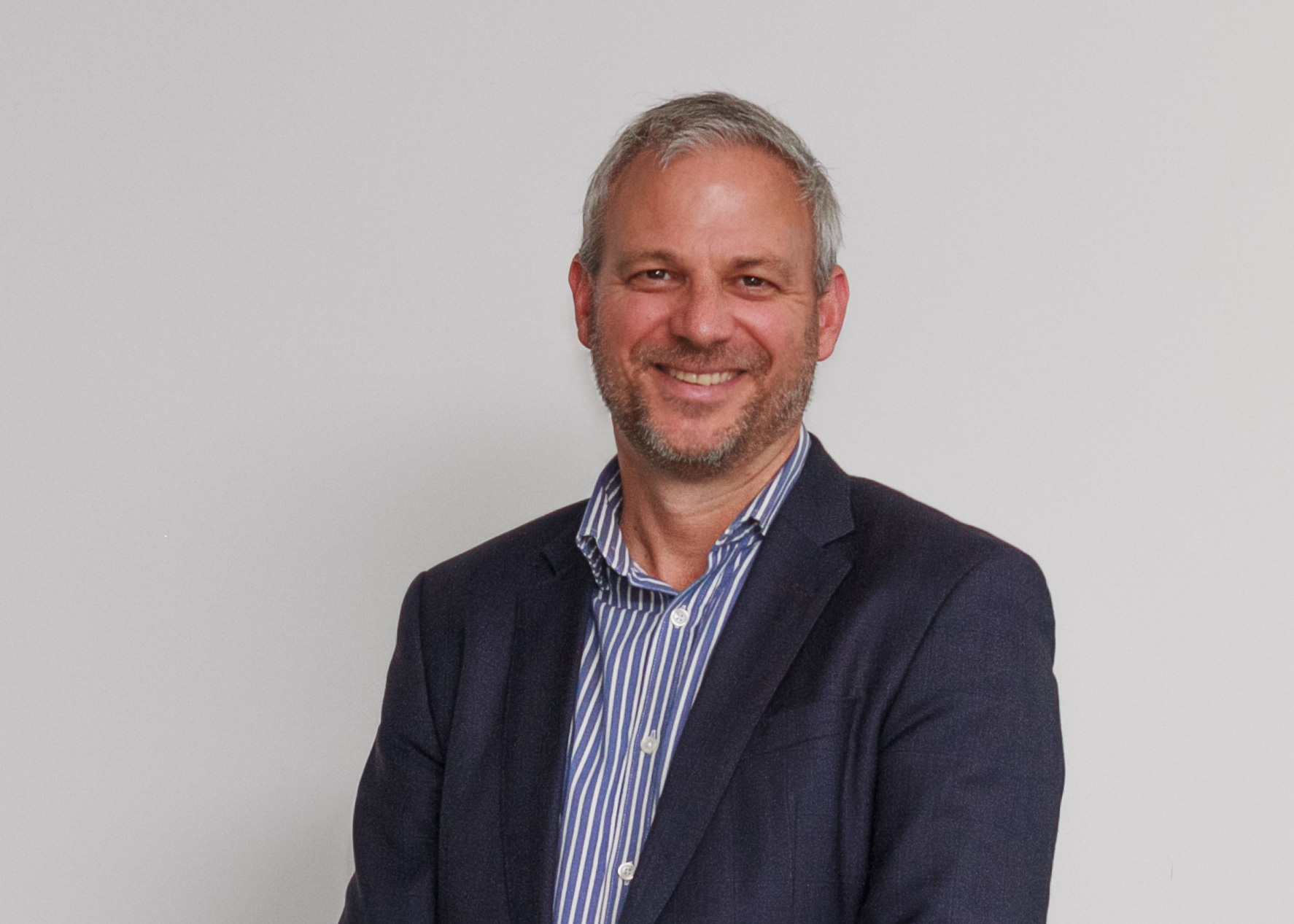
Today, we have Prof Brett Sutton on the show! Brett is here to talk about leading in a public facing role.
He’s sharing his experiences as Chief Health Officer for Victoria’s Department of Health which he held throughout the COVID-19 pandemic, and how he has transitioned to his current leadership role as Director of Health & Biosecurity Research Unit at CSIRO, Australia’s national science agency. While most of us won’t face the same level of profile as Brett, there is still a lot we can learn from his approach to leadership.
Here’s what we talk about.
- His profile status as an ‘internet celebrity’ and how he feels about it
- Why he values authentic leadership and how it has helped him lead
- Knowing your role when at the table with many leaders at once
- Approaches to getting to know your new team, when they may already have a perception of you
- Knowing what your own strengths are, and when to call on experts to help you make decisions
We also get into the importance of science communication in the current age of instant information sharing.
The Lead Candidate tool kit
- Great article that details some of Brett’s adventures here
- An example of a bait article here
- Brett’s article “Pandemic lessons learned and future public health strategies” here
- LinkedIn profile here
- A link to “The Sparked Podcast” which he hosts here
The Lead Candidate
Web: TheLeadCandidate.com Twitter: @LeadCandidate Instagram: @theleadcandidate
Transcript of the recording:
Simona: [00:00:00] Hi everyone. Simona here from the Lead Candidate. I first off wanted to start today’s episode by saying thank you. As regular listeners will know, the frequency that I’m getting these episodes out has really been dropping off over the last few years, despite the fact that I have put.
Zero effort into advertising this show in between episodes, people are still listening and that just absolutely amazes me. It shows me that a topic that I’m so passionate about is also important to other people too. So despite the fact that my life is getting busier and it’s getting harder to make this podcast, I am committed to get episodes out whenever I can.
Thank you so much for continuing to listen. It really does help drive my passion for this project. I do need some help though. Given the infrequency that I’m getting these episodes out, I don’t think it’s fair to take formal sponsorship from someone to help me fund this project.
Instead, what I’ve been doing the last few years is funneling any [00:01:00] funds I get from paid speaking arrangements. Back into this show. So if you are after a speaker who can present on a whole range of topics from, uh, being an academic to being a leader in science, uh, presenting about vulnerable leadership, overcoming imposter syndrome.
Changing careers and entering into industry, or even in my actual topic of expertise, which is, uh, the gut and the nervous system of the gut, then I’m your person. Know that you’ll be getting a passionate and professional science communicator presenting these topics.
Not only that, but you’ll also be supporting a project that helps other people learn from some really great leaders in our industry as well. So check out my LinkedIn profile, see if there’s something there that might be of interest to you, and send me a message and help me keep the lead candidate going. Right now onto today’s episode one that to say I am excited about [00:02:00] is a huge understatement. I first started the lead candidate. It was an idea that I had while sitting on the couch during lockdown period. At the early stages of the COVID-19 pandemic, I had a list of different leaders who I wanted to speak to.
Some were more achievable, and then I had my wishlist, and this person’s name was definitely on my wishlist. So this is a huge goal reached for the Lead Candidate podcast. Professor Brett Sutton, is now the director of a health and biosecurity group at Australia’s National Science Agency called the C-S-I-R-O.
So this is a government based research industry. , He has quite a high profile because during the COVID-19 pandemic, he was the Chief Health Officer for the Victoria Department of Health. So he was really the face of the COVID-19 pandemic, given the fact that in Victoria, Australia, we experienced one of the longest periods of lockdown across [00:03:00] the world, 262 days in total, we saw a lot of Professor Brett Sutton’s face, and he received a lot of support and admiration for what he’d done, but also.
Scrutiny and criticism for what it was that he was doing while he was doing it, and even in the years since he’s left that role as well. I really love this conversation for so many reasons, but I think most of all, I. He was just so open and honest in my conversation with him about his various experiences in leadership and his learnings over the course of his career.
It’s a characteristic that I really admire his ability to share in this way. I, I just, I really loved it. This is a great conversation. I just was so disappointed that it had to end, and I’m really hopeful that I get another chat with him in the future. So enjoy our chat.
One of the first things I wanted to say was, firstly, thank you for being on the show. I [00:04:00] nearly had you on my show a few years ago when you were, uh.
In a, a higher profile role as a chief health officer. Um, but then due to, I guess, your change in role, you had to stop doing a bit of media for a while. So I’m really grateful that you didn’t just accept this once, but you’ve accepted it twice. So I gather leadership is a topic that’s pretty important to you.
Brett: I, I think that’s certainly the case. Um, but it’s also about. Giving Where there might be a need, uh, and there might be value in doing so, I’m, I’m not fantastic at saying no. Um, but that in part relates to the fact that, you know, you’re, you’re being requested to do some things because you’re filling a gap or you are able to contribute something of value.
And I, I’ve got stuff to give back. I’ve been supported by so many people over a long period of time, and. Um, I feel indebted to that community, uh, and the broader community for whatever I can give back. Having learnt and somethings [00:05:00] on the way
Simona: Awesome. Well, hopefully, uh, we can get into some of those nuggets of wisdom. Um, so you’ve had quite a high profile role, but I don’t think people probably appreciate, uh, your, your backstory. I. So sometimes I’ll go through the career profile of the person I’m I’m speaking to. Uh, in your case, that would probably take an hour in itself because you’ve had such a varied career in so many different roles.
Uh, but I kind of like chunked it up from what I can tell into three different stages. So you’ve trained as a doctor, um, within emergency medicine, working in both. Australia and overseas with roles in, uh, medicine, sans frontier Um, you then have gone to get your Masters of Public health and Tropical Medicine, having a number of international, uh, field work roles in some pretty amazing, um, places.
Uh, like Afghanistan was one I was reading about, which is, you know, uh, real, really cool. And then you’ve moved into government roles starting [00:06:00] as acting manager for the Victoria Department of Public Health. Eventually moving on to chief. Health Chief Health Officer. And now you’ve got your role in CSIRO.
Um, I’m gonna leave the CSIRO role to the side for now, but talking about those three pieces, it seems like you’ve got very much the practical skill building side of your career working as a, a doctor. Then you’ve got the expertise building in, getting your master’s and becoming an expert in communicable disease.
Um, and then it seems like the government. Role part was really bringing that knowledge and skills together and trying to have impact in more of a, a leadership role. Do, is that assessment fair, do you think? And was that a conscious choosing on your part, or is that just how your careers happened to play out?
Brett: Yeah, I think it’s a fair assessment. Um, and it’s probably more how my career has played out rather than a. Um, deliberate path setting for myself, although you get to junctures where you’ve got some decisions to [00:07:00] make, and coming back to Australia from international field work was one of those moments, but it’s also a story of going from individualized, clinically focused work to understanding the power and passion of public health for me.
And so even though it was a, a great delving into technical expertise in public health, it was also moving from. The individual clinical engagement to understanding health at a population level. Um, and that, that was a big shift for me. And yes, the work in state government was an opportunity to put that into practice.
I’d done it in international settings in, uh, Ethiopia and East Timor and Afghanistan to a degree. Um, but it was an opportunity to say, you know, can, can this work in an Australian context as well, there are real opportunities. In international development work to do population health work because those are the great needs where vaccination, [00:08:00] sanitation, um, integrated management of childhood illness, health promotion are all, um, significant needs.
And I, and I wasn’t convinced that there was the same. Significant need in Victoria necessarily or in Australia. But of course it’s the case. We’ve got our really profound population, um, health needs that are also neglected for different reasons, not, not, um, not held back because of resourcing issues in the same way that East Timor or Ethiopia might face them, but held back because of the invisibility of public health in terms of solving.
You know, the health and wellbeing challenges of of our adult lives.
Simona: It’s interesting hearing you say that that was your, your motivation was to have a broader impact.
And it makes me think about, it’s something I’ve heard a number of clinicians. Uh, touch on on this podcast. Uh, and that can even apply for people who end up moving into like the biotech space. So if they [00:09:00] create a device and they realize that by getting this device onto the market, they can have a broader impact for more patients, um, is that a common narrative for many clinicians, do you think?
Or is it just some more frustrated than others want to do something different?
Brett: Yeah, you don’t hear it from everyone. Some people are very much, um. Uh. Completely in the space of the person who’s sitting in front of them. And, and, and that’s fine and fantastic and they do it so well. Um, but there are others who say, I’ve got ideas, or I’ve got, um, innovations that I would love to see come to fruition.
And I think they can be more impactful than, uh, a single individual or a single clinical encounter. Um, and so for that subset of individuals, I think you definitely hear it. And, and sometimes it’s the. Scale up. I like to think about impact in lots of different ways. Sometimes it’s the scale up of a, um, an innovation to, uh, a really significant level and then adoption within a policy [00:10:00] framework or adoption by a, by industry or by government, um, to be applied more broadly.
But sometimes it’s also at that really foundational level where it’s a, a technological quantum leap, if you like, you know, mRNA vaccines, CRISPR technology, they’re examples where. Um, at some point those individuals who were working on them could see that this was a complete game changer or potential game changer and wanted to see it come to fruition, not because they could necessarily identify the specific innovation that it might lead to, but because they could see that it was a foundation for an absolute blossoming, um, of a, of a technology that could be applied in a thousand different areas.
And, and in both of those cases. Um, that’s very true, and you can see that mRNA might be a vaccine thing, but it’s also a cancer cure thing. It’s also a, um, uh, biosecurity or, or biodiversity, um, management tool. And, and there are so many things in [00:11:00] crispr, um, that, that we haven’t discovered yet. So, you know, I think that that’s another way to think about impact in public health.
We tend to think about it in terms of the policy levers that can be applied or the other drivers of the broader determinants of health that are really critical. Um, and so that, that’s a, that’s the area of impact that I was particularly focused on. Um, but it’s a harder game I have to say.
Simona: Yeah, absolutely. Yeah, it, it, uh, definitely sounds quite complex and I’ll, I’ll move into things when we talk about your role at CSIRO. Broad was the note that I had in terms of what that job description looks like. Just to take it back another step further again, um. I’d be interested to hear your answer to this question.
I ask everyone, were you born a leader or have you become one over the course of your career? What do you think in your case?
Brett: I think I’ve become one. I, I’d be interested in hearing [00:12:00] that from other people as well as to whether anyone can see of themselves as, as being a leader that, um, is a role that they’re born into. I don’t, I, I can’t imagine the idea of, I don’t know, it feels too entitled to think that I. That’s locked in from an early stage or that you’ve got some intrinsic characteristics.
I certainly see, you know, some, some people do it with a natural, um, charisma, natural ease, at least from the outside, um, compared to others. But I think. For myself and for many people, and I’m projecting here, but I think for many people it’s absolutely a learned thing because these are, you know, leadership is the, is the great challenge of the transformation of self, um, in the service of others, in, in, um, really [00:13:00] significant respects.
And so that is both a. Complex learning process, but it’s also a complex unlearning process for all of the things that we’re born into in terms of our blind spots and our frailties and foibles and insecurities and egos and all the rest of us. And that that’s got to be a journey, um, of, uh, learning and failing and doing and undoing, um, rather than something that you, that you’ve got all sorted out from the get go.
Simona: Yeah, journey. Uh, interesting use of the word journey because I was really enjoying reading some articles about your adventures and your travels around the place as well. So I’m gonna put a link in my show notes to some of those articles ’cause you’ve said. Certainly had, uh, quite a, a bit of a journey. Um, so for you then, when it comes to, since your leadership style, well your leadership is really something you’ve developed and has grown, um, how would you describe your leadership style?
How do, what do you think it is? And then there’s obviously how [00:14:00] you’re perceived ’cause you’ve had such a public serving role, service of others.
Brett: And I should leave. I should leave the judgements of others to chime in on my leadership style as they see it. But for I.
Simona: I’m sure they do as well.
Brett: Um, for me it is, and it goes to this idea of journey and it goes to the idea of lifelong learning. Um, it is always having the openness to be challenged by those around you, um, who will always have perspectives that are different to yours and will have that unique ability to see the blind spots that. By definition you can’t see and the, um, habits of lifetimes that are really difficult to shift. And so if you are deeply cognizant of that need to identify it and work really hard on it, then I think you get that fuller roundedness that people admire in [00:15:00] leadership. And so I hope it’s that openness and adaptability and. Willingness to challenge oneself. Um, uh, that is a, that is one of the characteristics of my leadership style. I think the other thing is moral courage. I, it’s not easy in complex and, and crisis circumstances to, um, hold to a, a really core. Principle necessarily because there are such competing demands and there are a thousand opinions very strongly expressed, um, around you.
Um. If you believe in something and if you are honest and open about where that comes from and why you hold to it, then you, then you have to hold to it. Uh, you’ve got an obligation to. Um, and so yeah, the, the other [00:16:00] characteristic I would hope is, is moral courage and, um, and in that regard, authenticity. So being, being true to oneself and not just, um. bending with the vagaries of, uh, swirling opinions around you.
Simona: Yeah. And when you’ve got, um, a role that’s just so public facing and. You know, Melbourne during Covid lockdown, the amount that you were being, the amount that was being asked of you, the amount you’re having to report, I imagine holding onto what is truly your opinion and what is yours, and knowing that that is yours, um, is quite important.
Um. Yeah, just for context, I dunno if you realize that your profile, when you Google search your name, the role that it comes up with for you is internet celebrity. So that’s, um, that’s kind of the level that you’ve, uh, you’ve gotten to now.
Brett: If that’s a good thing. I, that, that’s a, yeah, that’s a, um, [00:17:00] an issue of the zeitgeist. I think I would, I would not want to be known as an internet celebrity, but there you go.
Simona: No, of course not. Um, so one of the things that does come across, definitely transparency is something that comes across as being quite important to you and, um, a lot of the commentary around communication, so communicating ideas. And you can see now with the work with CSIO that you want to communicate ideas in that platform as well.
Seems so important. And I imagine working as a clinician, you want to communicate a clear message. Uh, to your patients, um, as well. Um, so when you are a transparent and authentic person, but you’re working in an environment and we’ve all had circumstances like this, perhaps not quite as high profile, but when you’re working in a situation where you can’t be totally transparent, but that’s your natural nature, how do you wrestle with that?
Can you cite like a thought process or a. [00:18:00] Example where you had to wrestle with wanting to be completely transparent, knowing you can’t be for whatever reason, um, and how you handled it.
Brett: I don’t have any great wisdom in this space other than I worked through it on the messy pathway that I found myself on. Um, holding to the idea that everyone deserves the truth and you have to be honest about what the reality of situations are. I think that’s. Critically important in a crisis situation.
You have to, you have to tell it as it is. Um, but yes, there are elements that you can’t share for different reasons. Um, but you can at least be honest about that. You should be able to say when you can’t say something and, and maybe why you are not able to say it. Um, but I, you know, I, I. Struggled with it.
I think there were not easy [00:19:00] choices, um, for some of that. And, um, if I’m, if I’m honest, and I am, um, I overstepped the mark probably, you know, sharing critiques or weaknesses or mistakes in ways that are not. Classic government speak. Um, but I think that’s the right thing to do. I think there, I think for all of the way that that might be seen, um, as naivety and as potentially damaging.
I think ultimately trust is built up by being able to share the missteps, the wrong decisions, um, and the, uh. The genuine critiques that people would come to as a community anyway if, if they can see it. Pretending like it doesn’t exist or talking around it or, uh, deflecting, um, that’s classic. You [00:20:00] know, that’s classic political talk.
I think that does politicians a disservice. Uh, ultimately I understand the dynamic that’s at play for them, but, you know, I was not a politician. I’ve never been a politician and I probably never will be. Um, but. They’re under a particular pressure because of that whole dynamic of the flip flop. You said last week, blah, and this week you are saying this, well, as a public health professional, circumstances of evidence change circumstances, um, that you’re facing in a crisis change, and therefore your decision making needs to change.
And, um, you don’t necessarily hold to the same thing in a way that a politician. Feels like they must hold to because they are so deeply critiqued if they change their mind on something or if they are going in a different direction Now, some do it better than others. Um, and I’m not saying I’ve got it all right for myself, but I do think that there is a, a genuine, [00:21:00] um, positive element to changing opinion, changing decision making with changing circumstances.
And being open about the stuff that you get right, and the stuff that you get wrong and apologizing as required. And I’ve heard from politicians, never admit fault, never apologize, you know, as a kind of foundational principle. And it just doesn’t make sense to me. I.
Simona: I hear so much in that, um, and. As a, a person watching politics play out, I can see with frustration that that whole idea of you can never admit wrong, you can never admit learning, um, is so frustrating. ’cause that’s not what real life is about. It’s not what science life is about. Science is all about learning new things and moving forward, not knowing, then knowing and making a decision, reflecting on where you could have.
Change decisions made different ones. It’s okay. You didn’t, you had the information presented to you at the [00:22:00] time, and then that’s how you move forward and it comes back again. You’ve, you’ve commented more recently about, um, how you would’ve liked more clarity, communicating ideas, um, during the pandemic and how that even just that comment can be misinterpreted as well.
You were subject to the soundbite too. Um, and still, still are, which is ridiculous. Um, but. But I think having that presented, I know a lot of scientists are scared to communicate their scientific ideas more generally because they’re worried about the soundbite. They’re worried about not saying everything perfectly or how it might be perceived.
Do you have any, um, advice or can you provide any assurance around any of that at all?
Brett: I can’t really provide assurance, I don’t think we live in a world where we can be guaranteed, um, a straightforward and easy path in terms of what we are communicating. Um, but I would say lean in and dive in [00:23:00] and, and, um, accept the messiness of it all. And, um, but seek out the opportunities for proper engagement, nuanced conversation.
Um, and the time and the space to be able to talk to things in all of their complexity. Um, but the soundbite will always happen. That’s the nature of health journalism and journalism more broadly. Um, and political journalism may be in particular, uh, but the soundbite is. That’s the emotional hook that every news service is going for in order to get the listeners and the likes and whatever else, which, which is increasingly a driver in the modern world.
So there’s no escaping that. Um, but I. know, you should, you should have a mix of opportunities and, and seek out the ones that, like this one, that give you an opportunity to speak at length, um, to the genuine complexity of issues that are facing us. ’cause there are [00:24:00] not many now that are simple and straightforward and, um. Almost all of them are wicked problems or multi-layered and complex issues that require the time and space to be able to talk through them in detail. But yeah, you know, when I said. I think we could have all communicated a bit better during the pandemic. And then reading the headline, Sutton admits f fatal errors in pandemic.
You know, it was, it’s classic. It’s absolutely classic. And, and I know some people just read the headlines and that, that’s a bit dispiriting to know that you, you can’t get the bigger message across. But I know that there were many, many people who can, you know, intuitively or um, intellectually. Apprehend that there’s a bigger and, and more fulsome story that I’m trying to give.
And they listened to it and they responded. And I think a lot of people, um, found that rapport in me and, and found some trust in me by virtue of that. Others not. But [00:25:00] it’s the way that it is.
Simona: Totally, totally. I even know for myself when I saw, like the headline you just mentioned, I remember it is just the innate instinct goes, oh no, like what was it that holding back and you read the article, it’s like, oh no, that’s actually very sensible commentary. Um, and incredibly scientific, uh, and you need to work through it all, but the soundbite will always get you.
Um, so did you realize then taking on the role that it was. Obviously we weren’t in a pandemic when you started. Uh, did, did, were you worried about that at all when you took her on the role? Is that something you had to work through or were you naive?
Brett: It’s neither, I think I, you know, not worried because worrying doesn’t, isn’t helpful in, in anything, uh, frankly. Um. I knew that it was a possibility. I knew that, you know, we’d, we’d faced a pandemic every 25 years on average for the last century, but that it could, you know, it could be one year away, it could be 50 years away.
So anything’s possible. Um, didn’t want it to arise during my [00:26:00] term in office, but there I was six months in to an acting role and, um, and substantively in the position for just a very short time when it emerged. Um, and yes, I’ve thought about. What we needed, uh, what I would, um, try to bring to the role in, um, in leading response.
But we were all, I think, um, hit for six by, uh, you know, coronavirus being the pandemic that we faced rather than another influenza pandemic. We’d all been, um, we’d all been constrained by that. Anchoring bias or recency bias of expecting that it would be influenza, that we’d work up a vaccine within months and that it would come in waves and those waves would be, um, you know, uh, six, six to 12 weeks in duration.
And, you know, it’d all be relatively [00:27:00] easier compared to, um. A pandemic that had a one and a half, 2% case fatality rate would potentially stretch for years and didn’t have a vaccine, you know, template to work from. And so we were all working with an entirely different paradigm. Um, but a lot of the same principles I think applied the, the core public health principles around transmission.
But of course there was the, the tricky stuff that we dealt with in Australia, which is. Control or elimination shut borders, don’t shut borders. And then, and then for Victoria to be in a situation that was different from the rest of Australia was another kind of internal national dilemma, um, to face because we were either locked off from the rest of Australia if we’d let transmission happen or we were in a, the fight of our lives to get back to, uh, elimination, to be able to, um, be in the same position as the rest of Australia and live freely and, and move [00:28:00] freely.
Simona: Yeah. Yeah. And absolutely you can hear, you just get a bit of a sense of how many different conflicting, uh, points that you’re having to consider when decisions are being made, and you’re not necessarily making all the decisions as well. You’re providing advice and perspective on many of the big.
Decisions that were made, um, in the political setting. And so I imagine you are sitting in, uh, a lot of meetings with people with different viewpoints and different positions that they’re trying to defend. Uh, say for example, thinking about lockdowns. There’s the economic part of things. There’s the education part of things as well.
And so when you’re trying to communicate ideas with people who have their position, that’s just. Such a strong focus for them. Um, how are you able to get that messaging across? Do you have an approach in that situation?
Brett: Again, I think you, you have to be completely blunt and honest and not sugarcoat anything in terms of. Um, how you think things will [00:29:00] play out and what you think the consequences will be, at least in your swim lane from a health, health perspective, or from a, um, disease burden and, and mortality perspective, but also be completely open to the perspectives of those who are concerned about economic activity and, and financial burden, et cetera.
But it’s a, you know, it’s a supremely complex space. And, and none of us had all of the answers in that regard. But, um, you just need to chime in with your perspectives, but, but also allow space for others to, to provide theirs. And there was deep engagement with community around how can we make these rules, um, you know, that, that are most effective from a.
Disease transmission point of view, but the least disruptive from a societal cohesion and, um, you know, meeting the needs [00:30:00] of, of those most marginalized or most at need populations. Um, and that requires lots of conversation around exactly what, you know, what exceptions you might have, what flexibility or adaptability can be built in.
But, um. That’s not straightforward when you are applying public health orders to a, to a population of 6.7 million and you know, you can’t, you can’t build in a individual decision making for all of the exceptions that might arise in those circumstances. And you know, that that was largely not for me to draft.
That was for pol policymakers, and. Um, the strategy team with lawyers to, to draft, but of course we were providing the input around what the principles of trying, trying to shape that, um, might best be.
Simona: absolutely. Um, I was reading a great article that you wrote for Microbiology Australia, um, about the lessons learned from the [00:31:00] pandemic, and I’ll just. I’m not reading it out for you, but, uh, for the listeners, uh, just the last paragraph was really great ’cause it really summarized how important communication is.
So the Covid hyphen 19 pandemic was a demonstration of the need to utilize better crisis communication principles, including open, honest communication, acknowledging its certain uncertainty, speaking with compassion, and being responsive to changing circumstances and community engagement needs. Stuff that you’ve already discussed here, so clearly very important to you.
In an era of rising misinformation and disinformation and artificial intelligence, enabling of deep fakes and the occasional production of hallucinations, there’s an urgent need to improve site literacy and provide individuals with tools such as pre bunking and strengthening critical thinking to counter false information.
The next pandemic demands it. Now that’s where the article finishes off. It was just a short article, and I was wondering if you had any thoughts or ideas about how you could help with tackling the era of [00:32:00] misinformation and disinformation or even just able to, for scientists to be able to communicate these ideas in a better way, um, and actually get listened to.
Brett: I, it’s a really substantial challenge and again, you know, it goes in the long list of wicked challenges that we, we face as a society, but I think the rise of mis and disinformation in. Enabled by social media, enabled by ai, um, is a really profound challenge. I think like many wicked problems, it requires that multi-leveled response, which is both, um, you know, legislative regulatory, where you make sure there are the appropriate constraints on artificial intelligence and how it’s, how it’s used in, um, in communication. Uh. Plus the policy settings. And so a national strategy around miss, uh, and, and dis um, information in, uh, in the health sphere, but across all. [00:33:00] Portfolio areas, um, is a really critical thing. I think we need to mobilize a national, um, coalition to work on miss and disinformation, and that’s something that I’ve, um, been talking about within CSRO and would like to see progress further.
And, and we’re working on that. Um. And, and there, you know, there is a civic uplift that I would love to see, but that requires everyone to be part of. It’s not just a, you know, community doesn’t understand what we’re talking about and therefore we need to make sure that they do. It’s. Listen to what the needs of community are in terms of how things are communicated, what things are communicated, the channels, the language, et cetera, and be responsive to it.
And I think that’s a, a tricky thing because of the way that social media and maybe science journalism in particular, but but more broadly, um, is challenged by that. These are [00:34:00] monetized industries and the commercial imperative, um, is preeminent. And I think that applies to, um, to the, to the big tech companies with their artificial intelligence tools as well.
They, and, and social media maybe as the prime example, we, we have to go toe to toe with them. We can’t be, uh, lackies to, you know, the um, multinational. Be moths that they are, we have to recognize that there are threats to community cohesion, our mental health and, and broader societal wellbeing, social cohesion, social capital.
Um, because of the way that it polarizes us, ideologically, politically stops us from having nuanced conversations amplifies, um, untruths and. It doesn’t give us, doesn’t give us a [00:35:00] firm grounding in what is real like that. That’s, that’s the significant challenge. And so we can’t dilly dally, um, with, with what that challenge looks like.
We have to go in with all of those tools and have many, many community conversations about what. Community expects in terms of how things are communicated to them and how they can understand the world because we are moving to a point where you and I won’t be able to agree what is real in the world.
Now we’ve always had different ideas and there’s, you know, we, we can share mass delusions sometimes, and sometimes we agree on fantasies. Uh, if, um, if religion goes into that category. But they have generally been more cohesive, more, um. Socially constructive and more, um, consistent over time. We are getting to a point where, you know, [00:36:00] what we regard as truth can flip flop and, um, we just can’t get to a common grounding.
And I think that’s really disturbing for a lot of people. But they can’t articulate exactly what to do and they can’t articulate exactly, um, how it’s affecting them yet. But I think. The, the challenge is profound and we need all, all levels of government and, um, lots and lots of national players to come together, uh, to talk to community about how best to tackle it.
Simona: Yeah, the word that I think of when I hear you say. All of that is listening. Like we’ve lost the art of listening. How important listening is going back to right up to the start of what we were saying initially, talking about improving either science, literacy, or trust. Um, so. Do we help? Im improve the public science literacy.
Is that, is, is that a, a good way to go? Yes or [00:37:00] no? Okay. If, if it’s not possible, then it means that we need better trust between the scientific community and, uh, the, the general public as well. But that can only happen if each listens to each other. It’s not just about general public listen to the scientists, but scientists listening to the general public and understanding what their concerns are as well.
And then that goes back to listening to different points of view and just appreciating what we all think, what we’re hearing, and not doing that with judgment. I think that’s something that we’ve kind of lost along the way a little
Brett: Yeah, you’re absolutely right and you know, for scientists, it, it does mean opening the bonnet on the scientific method and, and making sure that the community understands that not all. Scientific headlines are equal. Um, and that science journalism sometimes overplays things and sometimes deeply distorts.
And then in the world of, uh, ai, there are completely false narratives that will get out there. And that, that they will [00:38:00] be almost as prominent as the real, uh, science story or research story underneath it. So we do need to, um, we do need to. Show community what the scientific method looks like and why. Um, some science, uh, is particularly robust because of the peer review methodology and the way that integrity and quality is built in.
Um, but there are some scientific reports that will not come from that foundation. Some will be completely made up, um, and some will have been distorted. From a very, very low quality base in terms of integrity or in terms of quality. And you know, again, the COVID-19 pandemic was a, was a classic story where Ivermectin was a. A promising thing to look into and a promising, uh, potential therapeutic for COVID-19. As it turned out, it was not useful [00:39:00] and did not save lives. We all wanted it to be useful. We, we really, as, as public health people, we desperately did imagine, you know, repurposing a cheap and, um, otherwise well-known medication for a serious illness.
Um. But a lot of people who. Were enticed by the narrative that there was this really simple solution to a really complex issue. Um, just took the scientific publications that said I Ivermectin is great. Um, without the tools to be able to interrogate what that science was really saying and, and what the agendas were.
Uh, hidden behind some of that publication because it’s a, again, it’s a commercial opportunity for a lot of people to pedal misinformation and, uh, there is a very tempting, um, audience with people who want a simple solution when actually there isn’t one.[00:40:00]
Simona: Totally. Yeah. I think people underestimate that from a scientist point of view, clinician scientist point of view. To be able to repurpose something is absolutely that the gold, that’s what, that’s definitely what people want. It’s the easiest, quickest solution generally to a problem. Um, yeah, so that’s a really excellent example of where the communication, the wants and the needs sometimes don’t always.
Get across in communicating with the general public. Um, just on that topic of, of judgment and trying not to judge you, move from quite a high profile role into now your role at CSIRO, which the simple version is that you’re a director of health and biosecurity, which sounds very nice and concise, but when you get into that a little bit more, your focus is on the research and development around Australia’s health and biosecurity preparedness and responsiveness to digital health.
Health and wellbeing, which is a lot. That’s very broad, very general. Um, [00:41:00] so just the first question, talking about judgment. When you step into a new office, into a new place and everyone knows you and you don’t necessarily know everyone, um, what is a way that you. Break that barrier down. How, how do you get to know people?
And also people think they know you as well. They don’t actually know you too. So how, how did you work around that situation?
Brett: Oh, I opened up the conversation by saying, yeah, some of, some of you, maybe many of you will know me, but they’re all around Australia and not everyone did. Um, uh, but please experience me directly. Like you are, you’re, you’re fine to make your judgements based on what you’ve seen, um, through media or have read or seen.
Um, but I did invite people to say. Let’s, let’s make sure we catch up as I go around to the teams around Australia and experience me directly, uh, which means have a face-to-face conversation, um, uh, see what I talk about within, [00:42:00] uh, my role as health and biosecurity director and, um, you know, feel free to interrogate and challenge and.
Inquire because, um, I’m, I’m very open to that. I was, um, delighted to be able to meet a lot of the team, um, who are, you know, in a dozen locations around the country and, you know, number over 350. So a big team to meet and very dispersed and decentralized. But, um, you know, I also said, uh, you are the experts and, uh, I’m here to learn.
I, you know, I’m, I’m. In an important role where I’m trying to steward towards impact and provide a vision and a strategic direction. Um, but I’m not gonna be the technical expert in any of this. These are some of the smartest people in the country working on really important and, but, but tricky research issues.
Um, I also said, and I, and I meant it with all my [00:43:00] heart, you know, for, for good or bad, I’ve kind of had my time in the sun. Um, and I. And succeeded and failed in, in different areas. Uh, and this role is not about me. This role is about you. And so all the success that I will feel as a health and biosecurity director will be about the success of that big team around the country.
And so, um, I did, I did want to emphasize to them that, you know, my role is to make sure that they can bring their best selves into their work. And, um. I can just bathe in the achievements of, of them being at their best and, and, uh, working with passion and intelligence.
Simona: I love that. That sounds like a really fun role to be able to have that kind of
Brett: It, it absolutely is. It’s a, it’s an absolute privilege. I think, you know, I’m one of, I. Almost a a dozen directors across different science portfolios in CSIRO, but they all feel the same kind of privilege of working with, [00:44:00] um, fantastic researchers, focused on public good, working with passion and leaning into some of the biggest problems in Australia and globally.
I.
Simona: Yeah. Yeah. Um, just within that, if there will be other directors. Leading, you know, large teams, and I guess for anyone who’s in a leadership position where you’re leading such a big team, just naturally by the way of the fact that you can’t walk into the office of the person who’s in charge all the time, people form preconceived notions about the person that’s leading them anyway, so it’s a really important message that you get across that go talk to them first and make your judgements that way.
Right?
Brett: But also for leaders to, to understand the power of what you communicate, what you don’t communicate, and how you do it. And you know, that’s an ongoing journey for all of us. I think executives, um, often struggle with that. Dilemma of how do you, how do you get across what you are thinking and feeling and trying to say when there [00:45:00] are single words that your team can hang on, um, and, you know, in a positive or negative way that might be a distortion of your intention.
Simona: The soundbite, the
Brett: but you know, understanding the power of that leadership shadow, um, in terms of what you communicate and therefore being, being careful on the one hand as you think about what, what you email in your all staff email or what you, um, talk through in, in an all staff meeting, but also, um, not losing yourself in, in doing so still. Trying to get across, um, authentically, you know, what you are, what you’re thinking, what you’re feeling, what you’re trying to do for the team.
Simona: Hmm. Absolutely. Absolutely. Um, so just talking about what it is that you’re doing, and I mentioned broad, when I look at this role, putting it in the context of, you know, the different phases of your career, going from practical expertise building and then using the two, it [00:46:00] almost feels like this part of your career is very much about.
Um, strategy and preparedness, like looking forward to what might come next. Is that a fair assessment of what you’re doing?
Brett: Yes it is. And you know, it goes to the fact that all of the big problems that we face now are wicked problems. There is nothing straightforward. If it was straightforward, we would’ve solved it by now. And so all of these issues that are threats to health and wellbeing, threats to biosecurity and biodiversity and Australia are really tricky problems.
Um, because we’ve got a juggernaut of, um, you know, we’ve talked about AI and mis and disinformation and trust. But add to that climate change, environmental degradation, um, and the, you know, the biosecurity threats to Australia of invasive species that then have threats to biodiversity and, um, and the richness of our natural environment.
They’re, they’re huge challenges for us to face [00:47:00] And, um. There will not be a tech solution that you just turn on, even if you can scale it up. Um, there nothing will be a game changer because they are, um, they’re multilayered, uh, juggernaut challenges that are coming at us, um, at a pace. And so, you know, we need, we need global reach.
We need solutions that are systems focused. We need a policy. Environment that’s enabling those solutions to come forward. But we also need the very best minds to be at the cutting edge of that research, uh, so that we’re always looking at, um, avant-garde and, and, um, innovative ideas for, for challenges that, um, are arising.
Simona: Yeah. Given that health and wellbeing is, is tagged as being part of what you’re doing is chronic disease, like, you [00:48:00] know, inflammatory bowel disease for example, those sorts of chronic diseases, is that common under your emit as well? ’cause I almost interpret that as being potentially part of it too, or is
Brett: No, it is, it is. Um, however, it’s fair to say we’ve got a really robust and vibrant medical research institute ecosystem and university academic ecosystem that does a. Huge amounts of, um, really useful work in this space in terms of new therapeutics and, and pharmaceutical developments. We don’t just want to replicate what that very robust and active ecosystem is doing.
Um, and so our focus, um, are on areas that maybe are not, uh, addressed. Um. Through those channels of new therapeutics and, and drug discovery or, um, diagnostic discovery. Uh, one Health is an area that we’ve talked about, um, as a group, uh, recently, and so that intersection of animal health, environmental health, and human health, because there are not many institutions in [00:49:00] the world that I.
Tackle that well. Um, and there are not many who are placed with the expertise across those domains to be able to bring it all together. But CSRO is one of those because we’ve got a fantastic, um, animal health research unit and we’ve got an environment research unit that does fantastic work in the space.
And so we’ve got opportunities to be able to work in an area that, um, academia and, and MRIs can’t, uh, tackle in the same way.
Simona: it makes me think of, um, it’s almost like you’re doing the animal health version of trying to tackle like medicine, uh, 3.0, which is, you know, the idea of a more holistic approach to treating diseases. But this is for more the animal health. Biosecurity. Just thinking more broadly, not just, here’s a problem, get rid of the problem, problem’s gone.
Um, it’s, yeah, tackling that more complex nature of
Brett: Yeah. And, and. Chronic diseases are manifold. There are many, [00:50:00] many that we have to tackle, but they often arise from the risk factors that, uh. Um, outside of the health sector and will relate to these intersections of animal and environmental health. Um, and pandemic preparedness is absolutely a one health problem because 75% of new emergent diseases will come from the animal kingdom.
So we, you know, we have to have the kind of data connectedness and the surveillance systems that can address that as well.
Simona: Wow sounds. Just huge and fascinating. I love it. Um, do you think then, has your leadership style changed in this environment given that you are leading a big team across Australia, uh, versus, well, I guess you’re leading your team within Victoria, but while having a public facing element to it, have you yet to change anything or have you remained pretty consistent?
Brett: Um, it’s certainly a, uh, an ongoing mindset change to say. I’ve got my, I’ve got my technical [00:51:00] expertise in public health, um, which I can contribute, um, uh, at the right times and, and with the right opportunities. But largely it is the stewardship of other people who’ve got all of that expertise. And so, um, it’s not a, you know, it’s not an advisory role to government.
It’s not a statutory position where, um, I’m enacting powers that have been, um, uh. Written into a public health and wellbeing act. I am, um, I’m helping a, a big research, uh, team tackle big problems. So it’s, um, yeah, it’s more creating the enabling environment for, for those teams to do their best work, uh, but also to make sure that they can, uh, synergize in the best possible way and that they can focus, you know, one of the challenges.
In both academia, but in research more broadly is that you can have hundreds of individuals working on hundreds of [00:52:00] different, you know, closely related projects, but not with a combined effort towards big challenges necessarily. And so we have to, we have to make sure that with, you know, with the, um, the privilege of getting Commonwealth government money and making our own money through our research, I.
We have to spend that money wisely, and we have to make sure that we’re tackling really important issues and that we’re doing it in the most effective and efficient way possible. That’s a, that’s a big responsibility to hold, but I think, um, you know, that’s, that’s a big part of my job to make sure that all of that resource, human resource, and intellectual power, uh, needs to be applied, um, to the big problems in the best way possible.
Simona: I love that. Um. Just talking about getting your teams to work synergistically, are you able to cite an example of, of how you’ve been able to do that? A problem that you’ve had to tackle? [00:53:00] Um, yeah. Where you’re competing with, I don’t know, two silo teams working next to each other, needing to bring them together is something that a lot of us can relate to.
So what, how would you work through
Brett: Look, I guess one, one health is a, a clear example across environment, animal, and, and human health. But also within my team, I’ve got research programs of digital health, human health and, and biosecurity. Um, and so it was really to say, you know, we’ve got one health challenges here, the the digital health team.
Um, fantastic at bringing data interoperability to the fore and, um, have work on clinical terminology to make sure that there’s the right foundation for data sharing. Um, but then applying that in a, in a one health sphere was, um, kind of new to them. Uh, and so. Really providing the vision to say, what are we trying to achieve here?
And then bringing those teams together under [00:54:00] that banner, um, in a different way than they’d been used to. And so they were working with people with biosecurity expertise, um, our animal health research unit, Al and our human health team, um, with, with pretty diverse areas of expertise, but. Under the banner of, of one health.
And so it’s really providing the clarity of, of the outcome that you’re seeking to get. Uh, and then saying, you know, we’ll all be in a slightly uncomfortable space here, but we have to sit in that, that discomfort and, and kind of explore it together.
Simona: Are you always able to speak the language of the different, um, experts in whenever you are in a room? Like how do you work through that?
Brett: You have to get to know people. I’ve certainly made my errors in terms of not understanding the, um, you know, diverse areas within those research [00:55:00] programs. You know, when I first arrived and was talking about biosecurity, I had my chief human biosecurity officer hat on, which was another role I had in Victoria.
Um, and human biosecurity is, is differently focused. It’s, it’s completely focused on human disease. Um, but the biosecurity team I have in CSRO is animal plants and environmental biosecurity. And so even though some of the principles of biosecurity apply in the same way, um, it, it has huge implications for.
Protecting biodiversity. It has huge implications for trusted agricultural exports. It has huge implications for, um, plant and animal biosecurity at the border, as well as within Australia. Um, and I hadn’t got my head around that in, in as full a way as I do now. So it’s, you know, it’s remaining open to learning all of the time and then trying to reflect that back to teams, uh, as you, as you get your head around it.[00:56:00]
Simona: I love that. Always learning right? Always learning. Um, so given how important communication has been for you in your previous roles, and you are communicating to different teams across a broad environment now, and the ideas that you’re trying to get across, involve systems change, so you need to communicate to professionals as well.
You’ve now got the Sparked podcast, um, which helps with communicating all those ideas. Uh, so what made you feel that the podcast platform was going to be effective for communicating these ideas, getting them across?
Brett: It was the Spark team that thought about the podcast and, and really their. Trying to think about all, all channels all at once. Um, and of course we’re in an era where the podcast is very powerful. You know, there are some of the biggest names and most influential and powerful names in global politics and global social policy.
Global [00:57:00] social commentary are podcasters. Don’t agree with half of them, but, um, they’re very powerful and they, and it works because they, um. They engage in a way that is different to reading a pamphlet or reading a website or, or reading, um, traditional media. So I think we were exploring it. Um, I think the team wanted, you know, my brand power to be brought to the, the Sparked podcast, um, to lift up, you know, digital, digital health.
Yeah, exactly. Exactly. But it was fun and um. Again, I am, I’m here to enable the work of teams to, to come to the fore. And that was an opportunity to, to bring their fantastic expertise, um, to a new audience.
Simona: Did you learn any lessons about, uh, communicating through doing the
Brett: Uh, only that it was more, um, it was even, it was even more kind of comical [00:58:00] than some of the situations I’d been in with, um, standing up on. Um, on the stage during COVID-19, you know, we had our, we had our strange and funny moments, but there’s something, even more celebrity Hollywood esque about podcasts and prepping for that, that I, uh, I’ve learned.
Um, it’s not my, it’s not necessarily my natural space, um, to be doing it, but again, what, whatever in the service of science, whatever works.
Simona: I love that in the service of science. Whatever works. Brilliant. There you go. That’s your new quote. Um, okay, so at the end of these podcasts, I normally ask three questions to each of, uh, the people in my show. I’m changing that this year ’cause I, I, I want to ask. Perhaps a more poignant one point quick answer question from you, and that is, uh, what do you think your leadership superpower is and how has that led you to where you are now?
Brett: I, I think it’s authenticity. [00:59:00] Um. Because I, I dunno how to do it otherwise. Um, and I think people have responded to that and I think I’ve felt the, the feedback in, in a positive way that has made me reinforce the importance of it. Um, especially in times of uncertainty and in times where, um, you know, trust is, trust is challenged and, and that rapport comes at a premium and is, is really important.
Simona: Yeah, as someone who, I also think authenticity is part of my leadership package, and that’s often something I’ll say is that I just don’t know how to do it any other way. I think when you’re an authentic leader, you can’t help but share yourself and speak openly. So, um. And perhaps that used to be viewed as a negative dare I use the term weak attribute, but, um, there’s actually a lot of power in bringing people along with you when you lead authentically.
For
Brett: I think [01:00:00] that’s absolutely the case and, and maybe that’s the learned bit that has changed over time. The willingness to be vulnerable as part of that authentic self. Um, and I. That’s not always been straightforward for me, but I’ve certainly learned the power of it, especially through Covid because my team was struggling.
And to be able to stand up with them and talk about how difficult it was for me and how much I was struggling was not just me venting or me, um, you know, getting all sentimental with them. It was literally. Trying to say, we’re all in this together because I feel how you feel. It was also an invitation for them to help me if they could, because I felt their love and I felt their support, and that was fantastic.
But it was also me providing leadership permission to them to also ask of [01:01:00] others to help out and, and to ask of me. And so we’re all, um, supporting each other by virtue of that. And, and I think that’s really important.
Simona: I love that. Definitely powerful. Definitely. Well, Brett, uh, thank you so much for being on the Lead candidate.